Bedroom temperatures above 75 degrees Fahrenheit are linked to heart stress in older adults
The temperature of the bedroom at night can affect Heart health – Especially in the elderly.
Heat places extra demands on the cardiovascular system, according to lead study author Dr. Fergus O’Connor of Griffith University in Queensland, Australia.
He pointed out that when the human body is exposed to heat, its reaction is to work harder to try to circulate blood to the surface of the skin to cool.
Study suggests that common sleep aids may interfere with your rest
“However, when the heart works harder and longer, it creates stress and limits our ability to recover from heat exposure the day before,” O’Connor said in a press release.
The researchers aim to understand how bedroom temperatures are affected in the real world the elderly.

When the heart works harder and longer, it creates stress and limits its ability to recover from the heat exposure the day before. (Istock)
The team followed 47 adults living in southeast Queensland with an average age of 72 years.
While many sleep monitoring procedures are performed in private clinics, this was a “free-living” study, meaning participants continued their normal activities and sleep schedules.
A simple nighttime habit linked to healthier blood pressure, study suggests
Scientists monitored the participants throughout the entire Australian summer, from December to March. Everyone wore high-tech Fitness tracker To monitor heart rate from 9 pm to 7 am, according to the statement.
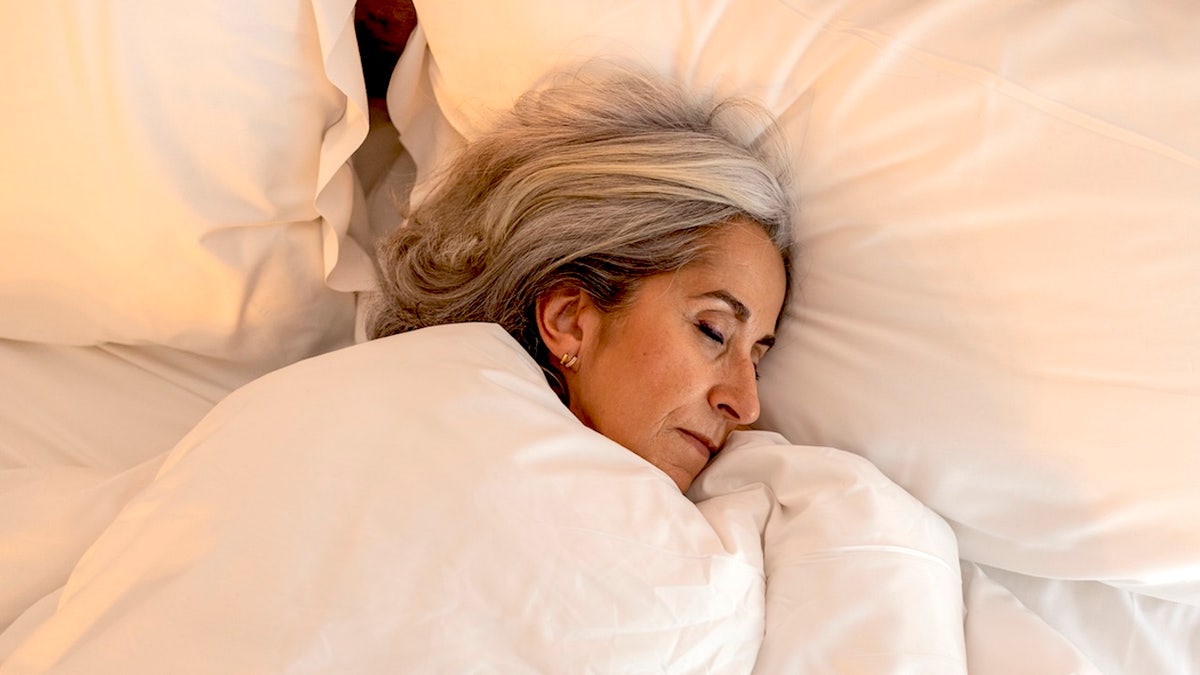
While many sleep monitoring procedures are performed in sleep clinics, this was a “free-living” study, meaning the group continued their normal activities and sleep schedules. (Istock)
Sensors were then placed directly in participants’ bedrooms to record temperatures, monitoring more than 14,000 hours of nightly sleep in total.
The temperature at which the heart began to show signs of trouble was just over 75 degrees Fahrenheit.
Between 75 and 79 degrees Fahrenheit, the odds of a “clinically relevant” decline decrease. Heart recovery The researchers found that it increased by 40%.
Click here for more health stories
Between 79 and 82 degrees Fahrenheit, the odds double. Above 82, the risk was nearly three times greater than in cooler rooms.

Between 75 and 79 degrees Fahrenheit, the odds of a “clinically relevant” decrease in heart recovery increased by 40%. (Istock)
“For individuals aged 65 and older, maintaining a nighttime bedroom temperature of 24°C (75.2°F) reduces the likelihood of experiencing increased stress responses during sleep,” O’Connor said.
Click here to subscribe to our health newsletter
While the study shows a strong link between heat and heart stress, its observational design means it does not conclusively prove that heat is the only cause, the researchers acknowledged.
Since the study only focused on older people in Australia, it may not apply to other populations.
“When the heart works harder and longer, it creates stress and limits our ability to recover from heat exposure the day before.”
Also, although wearables are advanced, they are not as accurate as wearables Medical grade electrocardiogram (ECG). Used in clinical settings.
Click here to download the FOX NEWS app
O’Connor stressed that there is a gap in the temperature guidance – while there are guidelines for maximum indoor temperature during the day, there are no similar recommendations regarding nighttime conditions.
Test yourself with our latest lifestyle quiz
The study was published in the journal BMC Medicine.














Post Comment