Indiana truck accident exposes the failure of the interstate CDL licensing system
A Kyrgyz national driving a semi-truck crashed into oncoming traffic in Jay County, Indiana, federal authorities said. Four people were killed Several others were injured. ICE has since arrested the driver. But for the families of the missing, post-accident law enforcement is cold solace.
Operating an 80,000 pound commercial vehicle is not a right. It’s a responsibility. When this responsibility is handed over to someone who has not been properly vetted or is not qualified to operate it, the results can be disastrous.
Pennsylvania issued this truck driver a Non-domestic CDLa credential given to someone who is legally permitted to work in the United States but who does not live permanently in the state that issued the license—most often foreign nationals working under a temporary work permit in the United States. But they must meet the same strict federal standards as all CDLs.
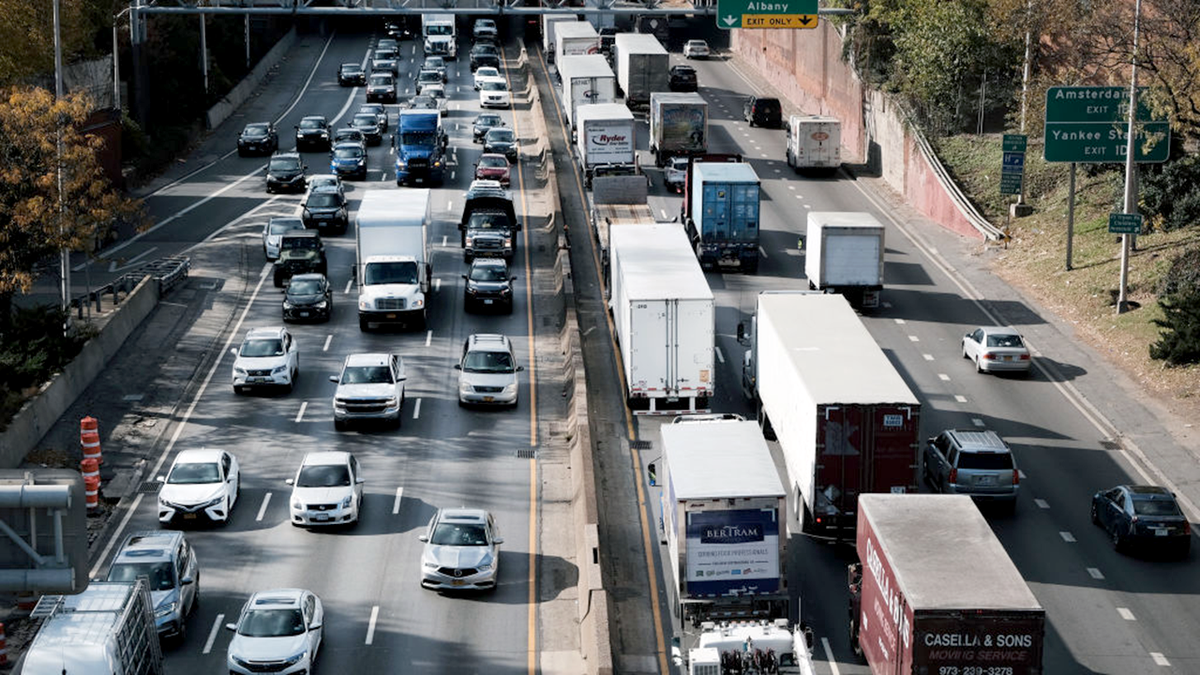
Truck traffic is heading south on the Cross Bronx Expressway (I-95) toward the Trans-Manhattan Expressway and New Jersey. (Spencer Platt/Getty Images)
Federal audits have repeatedly shown that some states are resorting to cuts. Weak oversight and poor enforcement have allowed unqualified drivers to slip through the cracks onto America’s highways, putting law-abiding motorists and professional truck drivers at risk.
We’ve seen the consequences before. Last summer in Floridaa driver who was in the country illegally killed three people after making an illegal turn on the busy Florida Turnpike. This driver had failed his commercial driver’s test 10 times yet still held a CDL, rightfully creating a need for enhanced review of state and federal legislation to create new safeguards on how CDLs are issued.
Investigations have uncovered glaring systemic failures in states like California, where audits found that a staggering percentage of nonresident CDLs were issued in ways that failed to comply with federal safety and immigration standards, including cases linked to a fatal crash. Ontario, California, highway accident In October, which claimed the lives of three people.
Professional truck drivers endure extensive training, stringent drug and alcohol testing, English language proficiency requirements, and ongoing supervision. This is it Basic safety protocols Designed to protect everyone on our roads. When it comes to highway safety, rules and regulations don’t matter unless they are enforced.
Click here for more Fox News opinions
Allowing individuals who do not meet these standards to run large platforms is not just irresponsible. It is absolutely dangerous, and accidents are preventable In Florida And California, and now this latest collapse in Indiana, are stark reminders of what can — and does — go wrong.
The Trump administration deserves credit for intervening where states have failed. Under the president Donald Trump and Transportation Secretary Sean Duffy, the federal government has tightened oversight of nonresident CDLs, expanded audits of state licensing agencies and held states accountable when they fail to check legal status, qualifications and basic safety requirements. But we cannot stop there. As I testified on Capitol Hill in January, Congress has the opportunity to take decisive action and build on DOT’s ongoing efforts to restore uniformity nationwide, improve the integrity of driver examination and certification, and rebuild public confidence in the safety and reliability of the commercial driving workforce.
Click here to download the FOX NEWS app
Many families have already suffered unimaginable loss. We should not wait for the next tragic headline to advance reform. Ensuring that every CDL holder is qualified is essential States must be held accountable When they fail to uphold federal law.
America’s highways require professionalism and accountability. Anything less is a disservice to the American people.













Post Comment